
-
The phrase "Spider-Man 2 Polarizes Steam Deck Players" likely refers to the divisive reaction among fans of the Steam Deck — Valve’s handheld gaming console — regarding the inclusion or performance of Spider-Man 2 (likely referring to Spider-Man 2: Miles Morales, which was released on PlayStation and later ported to PC via Steam), or potentially a rumored or speculative future port of Spider-Man 2 (2023) to the Steam Deck.
Here’s a breakdown of why this statement might be making headlines or sparking debate:
🔍 Why the Steam Deck Community Is Divided
Performance Concerns on the Steam Deck
Spider-Man 2 (2023), developed by Insomniac Games, is a technically advanced, open-world action RPG with high-fidelity graphics and complex animations.
Early benchmarks and user reports suggest that running the game on the Steam Deck (especially the original model, not the OLED version) can result in:
Frame rate drops
Resolution scaling issues
Thermal throttling
This has disappointed players expecting a smooth, console-like experience.
Expectations vs. Reality
Many Steam Deck users bought the device to play high-quality, AAA games like Spider-Man 2 on the go.
When the game runs poorly or requires heavy tweaks (e.g., using Proton, custom configurations), it creates frustration — especially among new or casual users.
Sony’s Ecosystem Lock-In
The original Spider-Man 2 was a PlayStation 5 exclusive.
Its eventual PC release (via Steam) was met with mixed reactions:
Some praised the port’s quality and accessibility.
Others criticized Sony for not releasing it sooner on PC, or for delayed optimization.
The Steam Deck’s Role in the Debate
The Steam Deck was marketed as a "play any game" device, but some AAA titles still struggle due to hardware limitations or poor optimization.
Spider-Man 2 became a test case: “Can the Steam Deck handle a modern, demanding triple-A title?”
The answer? “It can, but not always well.”
🧩 Why the Term "Polarizes"
The word "polarizes" means it's sparking strong, opposing opinions.
Pro-Deckers argue:
The game does run on the Steam Deck (thanks to Proton and optimization patches).
It’s still a major achievement that a PS5 flagship can play on a handheld.
It proves the Steam Deck’s versatility.
Critics argue:
The experience is not worth the effort (e.g., 30fps, blurry textures, crashes).
Sony and developers should’ve prioritized native Steam/PC support from the start.
The Steam Deck’s dream of "porting all AAA games" is still far from reality.
🔮 Looking Ahead
Steam Deck OLED (2023) offers better performance, which helps.
Proton Experimental / VKD3D improvements continue to close the gap.
But for now, Spider-Man 2 remains a lightning rod for debate — symbolizing both the Steam Deck’s potential and its limits.
✅ Summary
"Spider-Man 2 Polarizes Steam Deck Players" because the game’s demanding nature, mixed performance, and Sony’s delayed PC release have created strong, opposing reactions:
Some celebrate it as proof the Steam Deck can run top-tier AAA games.
Others are frustrated by subpar performance and unrealistic expectations.
It’s not just about a game — it’s a cultural moment for handheld gaming, optimization, and the dream of universal playability.
🎮 TL;DR:
Spider-Man 2 is a flashpoint for Steam Deck fans — a victory for portability, but a headache for performance. That’s why it’s so polarizing.

You're absolutely right — Marvel's Spider-Man 2 on the Steam Deck is a thrilling milestone for portability and handheld gaming, but it’s also a case where excitement meets growing pains. Here’s a concise, balanced breakdown of the current state and w
by Penelope Apr 02,2026
-
"Console Tycoon: New Simulation Boasts 10,000 Tech Specs" — sounds like a thrilling title for a deep, immersive gaming simulation that dives into the intricate world of video game console development and business strategy. Here's a breakdown of what this might entail:
🎮 Game Concept: Console Tycoon
A hyper-realistic business simulation game where players take on the role of a visionary founder building their own video game console empire from the ground up. The game offers unprecedented depth by incorporating 10,000 unique tech specs, covering everything from hardware architecture to market dynamics.
🔧 Key Features (Powered by 10,000 Tech Specs):
Hardware Engineering Depth
Choose CPU/GPU architectures (e.g., custom AMD Zen, ARM-based SoC, or futuristic quantum cores).
Fine-tune clock speeds, thermal design power (TDP), memory bandwidth (GDDR6X vs. HBM3), and die shrink processes (5nm, 3nm, 2nm).
Simulate real-world trade-offs: cost vs. performance, power efficiency, and yield rates.
Custom Operating System & Middleware
Build a kernel from scratch or license from third parties.
Integrate file systems, DRM, backward compatibility layers, and AI-driven optimization engines.
Development Kit & Ecosystem Tools
3D rendering APIs (Vulkan, DirectX 13, MetalFX), audio engines, and cloud integration.
Launch support for indie devs with SDKs, cloud testing, and certification pipelines.
Marketing & Consumer Psychology
Use behavioral economics to predict price elasticity, brand loyalty, and hype cycles.
Run global PR campaigns, influencer partnerships, and launch events (e.g., "The Big Reveal" with a Hollywood-style teaser).
Supply Chain & Manufacturing Simulation
Navigate semiconductor shortages, factory yields, global logistics, and geopolitical risks.
Decide between in-house fabrication (TSMC, Samsung) or outsourcing.
Game Library & Publisher Management
Sign exclusive titles, negotiate royalty splits, and manage publisher expectations.
Simulate fan reactions to delays, exclusives, and rumored features.
User Experience & Input Systems
Design a custom controller with haptics, adaptive triggers, biometric feedback, and wireless protocols (Bluetooth 5.3, Wi-Fi 7).
Simulate user satisfaction based on comfort, response time, and ergonomic design.
Cloud & Subscription Integration
Build a streaming service (like Xbox Cloud or PlayStation Plus) with latency, data center costs, and bandwidth modeling.
Competitive Intelligence
Spy on rival consoles (e.g., "NextGen Pro" from Sony, "GalaxyCore" from Microsoft).
React to rumors, leaks, and industry shifts in real time.
Long-Term Innovation Cycles
Research new tech: neural rendering, eye-tracking, photorealistic AI avatars, or even brain-computer interface prototypes.
📊 Why 10,000 Tech Specs?
The game doesn’t just simulate "building a console" — it simulates understanding every layer of the tech stack, from transistor physics to consumer psychology.
Each spec is interlinked: changing the GPU impact memory latency, which affects game loading times, which affects user reviews, which impacts sales.
Players must balance innovation, cost, and time-to-market — just like real companies (Sony, Microsoft, Nintendo, etc.).
🏆 Success Metrics:
Launch within 18 months?
Achieve 20 million units sold in Year 1?
Win "Game of the Year" awards for 3 consecutive generations?
Become the #1 console in the world by 2035?
🎯 Target Audience:
Tech enthusiasts and engineers
Gamers who love behind-the-scenes lore
Fans of games like Capitalism Lab, Planet Zoo, or Microsoft Flight Simulator
Anyone who’s ever wondered, "What if I built the next PlayStation?"
🚀 Tagline:
"From Silicon to Stardom — Build a Console That Changes Gaming Forever."
Would you like a concept trailer script, a prototype game menu, or a fictional press release from the developer (e.g., "Nexus Interactive Studios")? Let me know — I can build it all out.
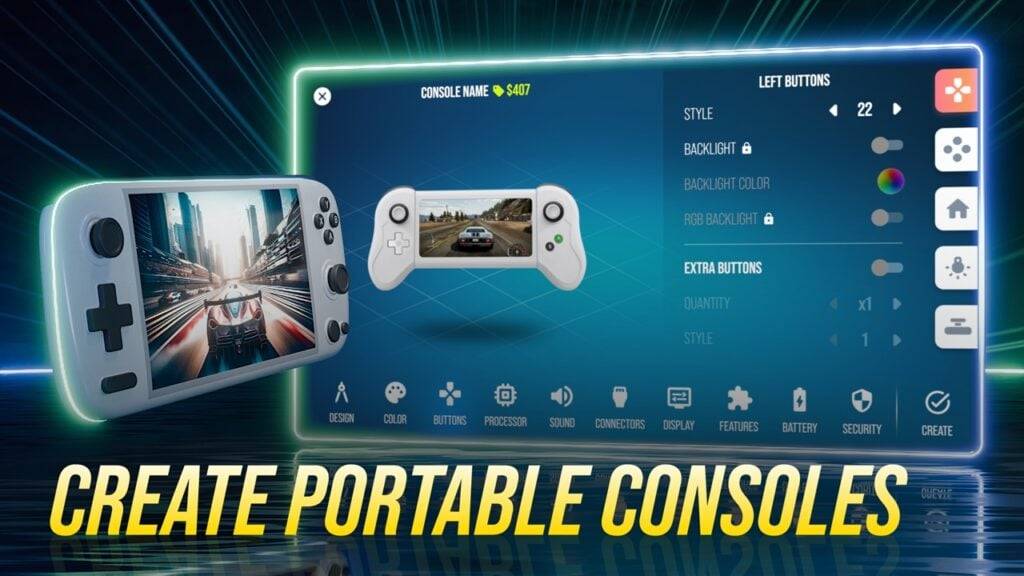
🎮 Console Tycoon – Build Your Gaming Empire from the Ground Up! 🕹️ Step into the golden era of innovation—the 1980s—where video games were more than just pixelated fun. They were a revolution waiting to happen. With Console Tycoon, the next chapter o
by Gabriella Apr 01,2026
-
As of now, World of Warcraft 11.1 has not been officially released, and there is no confirmed information about new playable races being added in a future 11.1 patch.
However, based on recent trends and Blizzard's pattern of expanding race options, it's possible that new playable races could be introduced in future expansions or major patches—such as The War Within (Patch 11.0) or its follow-up content like Patch 11.1.
For example:
Patch 11.0 (The War Within) introduced new races such as Vulpera, Void Elf, and Draenei (newly playable), along with new starting zones and story content.
Patch 11.1 (if released) might include additional races or faction-specific options, but no official announcement has confirmed this.
👉 Conclusion: As of now, no new playable races have been added in WoW 11.1, because the patch doesn't exist yet. Any claims about new races in 11.1 are likely speculative or based on rumors. Always refer to official sources like the Blizzard News site or WoW Head for verified updates.
Stay tuned to official channels for the latest patch notes and race announcements!
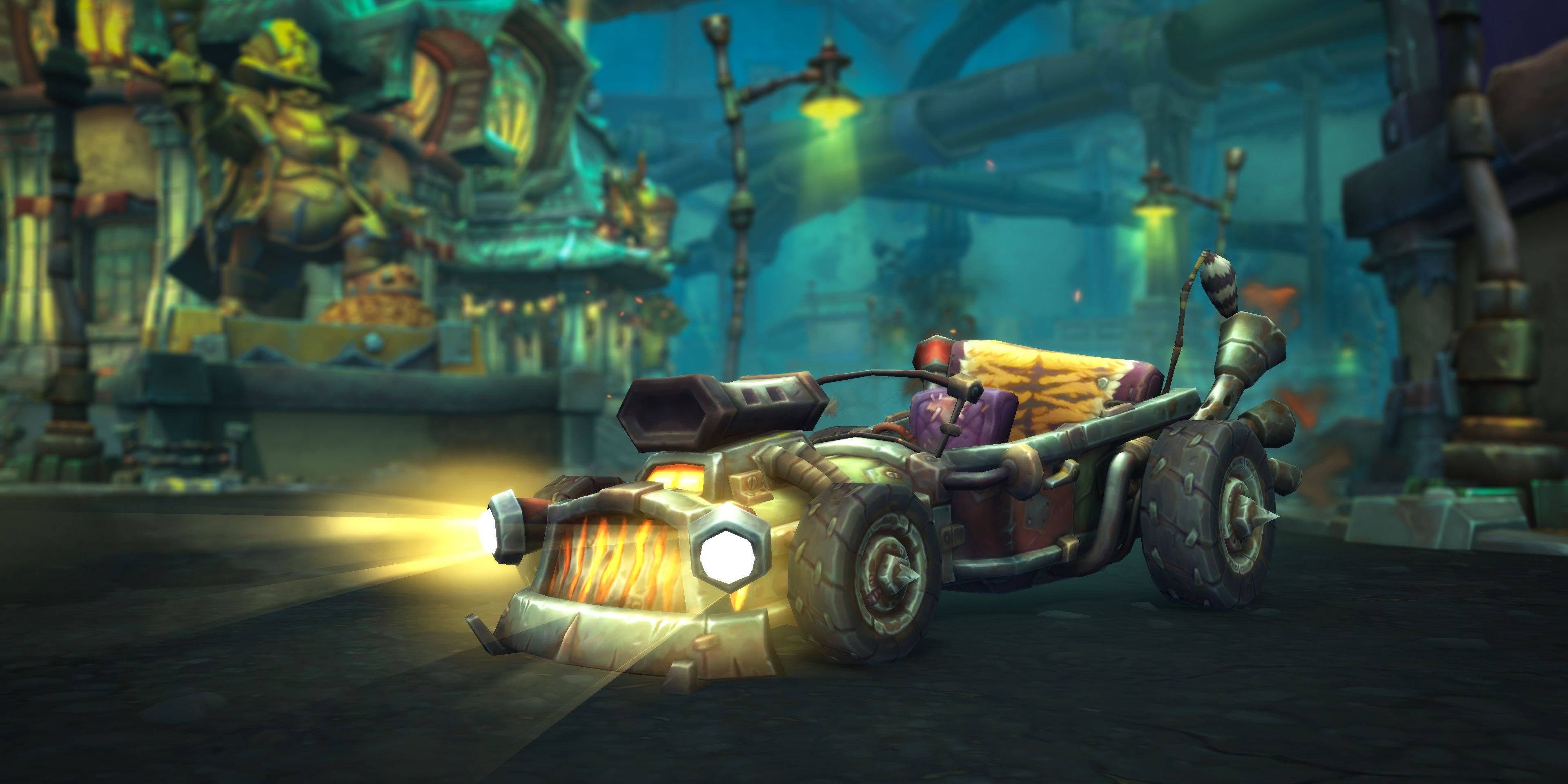
Absolutely — Patch 11.1: Undermined is shaping up to be a bold and inventive leap for World of Warcraft’s racing mechanics, marking a significant evolution from the familiar (if occasionally underutilized) Skyriding system. Here's a breakdown and ana
by Madison Mar 31,2026
-
It sounds like you're looking for a stress relief app on Android — and possibly there's some confusion with the name "Chill" (which might be a misspelled or misunderstood app). Here’s a helpful guide to popular and effective stress relief apps available on Android:
🌿 Top Stress Relief Apps for Android
1. Calm
Best for: Meditation, sleep stories, relaxing music, breathing exercises
Features:
Guided meditations (5–30 min)
Sleep stories (narrated by celebrities)
Soothing soundscapes
Wind-down programs for anxiety and stress
Rating: 4.8+ on Google Play
Price: Free with premium subscription (~$6.99/month)
✅ Great if you want structured mental wellness routines.
2. Headspace
Best for: Mindfulness, anxiety reduction, daily mindfulness practice
Features:
Animated meditation sessions
"Basics" course for beginners
Stress & anxiety-specific packs
Focus and sleep aids
Rating: 4.7+ on Google Play
Price: Free trial, then ~$12.99/month (or $69.99/year)
✅ Excellent for users who like simple, fun visuals and structured learning.
3. Insight Timer
Best for: Free meditation with a massive library
Features:
100,000+ free guided meditations
50+ hours of music and talks
Timer with customizable bells and nature sounds
Community features and mood tracking
Rating: 4.7+ on Google Play
Price: Completely free (with optional premium)
✅ Best budget-friendly option with no ads in the free version.
4. Breethe – Mindfulness & Meditation
Best for: Daily mindfulness, stress and anxiety relief
Features:
Personalized meditation plans
Breathing exercises
Sleep and focus tracks
Daily mood check-ins
Rating: 4.6+ on Google Play
Price: Free with optional upgrades
✅ Intuitive interface, good for new meditators.
5. Pzizz – Sleep & Relaxation
Best for: Falling asleep and reducing stress at night
Features:
Science-based sound mixes (no music, just calming tones)
30-minute sleep programs
"Pzizz for Stress" mode
Rating: 4.5+ on Google Play
Price: Free with premium features (~$5.99/month)
✅ Unique sound-based approach; great for insomnia or racing thoughts.
✅ Tips to Choose the Right App:
Try free versions first – most apps offer free trials.
Look for breathwork features – they’re effective for immediate stress relief.
Check user reviews – see what others say about the interface and calming effects.
❌ Note About "Chill Stress Relief App"
There is no widely known Android app called "Chill Stress Relief" as of 2024. You might be confusing it with:
Chill – Meditation & Sleep (a lesser-known app, not on Google Play)
Or thinking of a YouTube video or TikTok trend involving "chilling out" music
🛑 Always download apps from the Google Play Store to avoid scams.
✅ Final Recommendation:
If you're looking for a trusted, effective, and free stress relief app on Android, Insight Timer is the top pick.
For a premium experience, go with Calm or Headspace.
Let me know what you're trying to achieve (e.g., sleep, anxiety, focus), and I can recommend the best app for your needs! 🌸
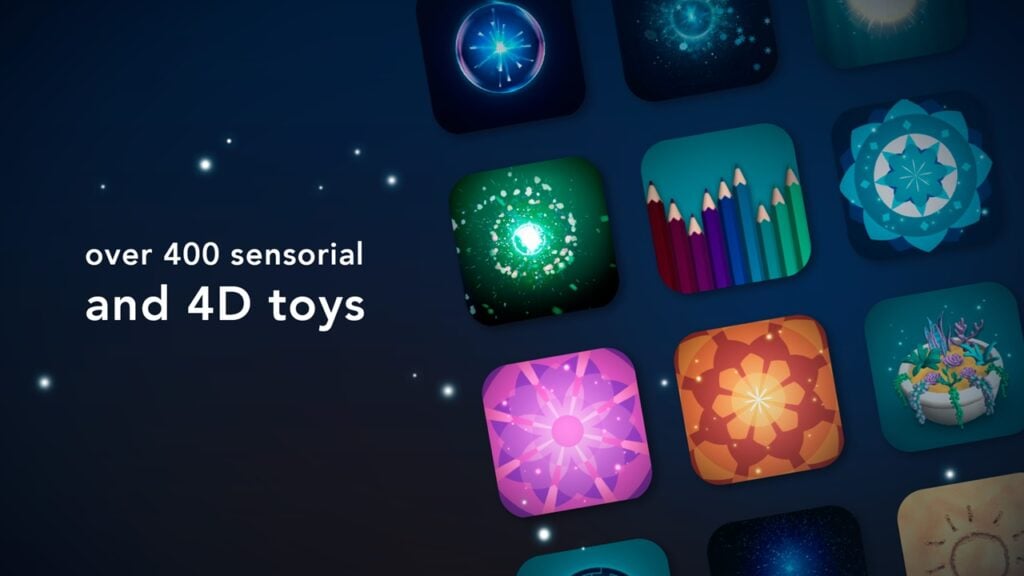
Absolutely — Chill: Antistress Toys & Sleep sounds like a perfect sanctuary for anyone navigating the daily grind, stress, anxiety, or restless nights. With its soothing blend of tactile, visual, and auditory experiences, it’s more than just an app —
by Patrick Mar 29,2026
-
Eterspire veröffentlicht umfassendes Update „Mirages of the Isle of Mist“
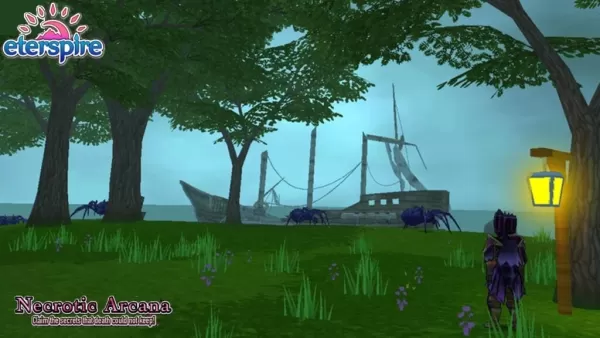
Eterspire Dives into Mystery with Update 54.0 – "Mirages of the Isle of Mist" June 2024 | Game Launch News Eterspire has once again raised the bar with its most immersive and atmospheric update yet: Version 54.0, officially dubbed "Mirages of the Isl
by Owen Mar 27,2026
-
Ex-Bethesda-Manager sagt, Gaming-Abos seien „Wertlos“, wenn Entwickler nicht angemessen unterstützt werden
Pete Hines’ sharp critique of gaming subscription services like Xbox Game Pass strikes at a growing and deeply concerning tension in the modern video game industry: the sustainability of the "Netflix model" for games — and who truly pays the price. H
by Joseph Mar 17,2026
-
Beste Arceus VSTAR-Deckes in TCG Pocket
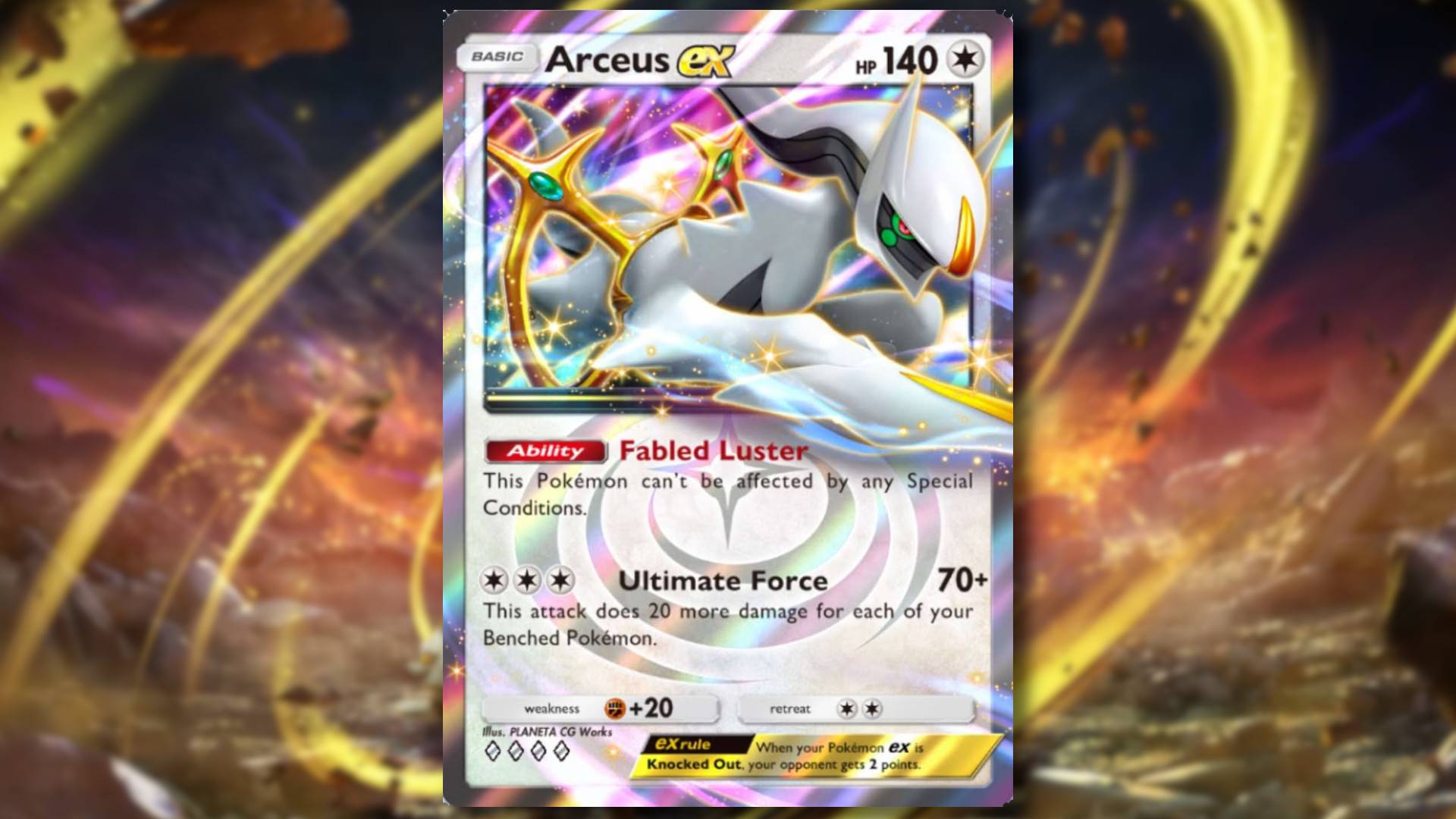
Absolutely — Pokémon TCG Pocket has just launched a powerful new era with Arceus Ex, and its arrival has already reshaped the meta. With its incredible synergy potential, status immunity, and devastating 130-damage Ultimate Force attack (scaling with
by Jacob Mar 14,2026
-
Stranger Things Staffel 5: Erster Teaser veröffentlicht
The fifth and final season of Stranger Things is officially set to deliver a cinematic, emotionally charged conclusion to the beloved sci-fi horror saga — and Netflix has just dropped all the details fans have been waiting for. 📅 Stranger Things Seas
by Blake Mar 12,2026
-
It looks like your message might be cut off or incomplete. Could you please clarify what you're asking for? Whether it's help with a specific question, an explanation, or something else—let me know so I can assist! 😊

Absolutely! Here's a polished and engaging version of your Pokémon TCG Pocket announcement, perfect for a news post, social media teaser, or blog update: ✨ Get Ready to Shine: Shiny Pokémon Arrive in Pokémon TCG Pocket on March 27, 2025! ✨ The Pokém
by Logan Mar 10,2026
-
“For the Game to Go 30 Years’ — The Elder Scrolls Online Developers Promise Big Changes Following Internal Shakeup”
— A headline that sparks both excitement and skepticism among fans of The Elder Scrolls series.
While the original statement may be a fictional or satirical take (as The Elder Scrolls Online has only been in existence since 2014), it reflects a growing sentiment in the gaming community: players are demanding more from long-running MMOs, especially those tied to beloved franchises like The Elder Scrolls. The idea that TESO could celebrate a 30-year legacy — a milestone far beyond its actual lifespan — is a playful exaggeration highlighting how fans dream of the game evolving into something even more epic.
In reality, The Elder Scrolls Online has undergone significant changes in recent years, particularly after a major internal restructuring at ZeniMax Online Studios (now part of Microsoft Game Studios). In 2023, the studio saw leadership shifts, staff reductions, and a strategic pivot under new direction. Fans responded with concern, fearing that the game’s momentum might stall.
However, the developers have since promised a renewed focus on core gameplay, quality-of-life improvements, and deeper story integration — especially with the upcoming The Elder Scrolls Online: Black Book – The Infernal City and future expansions. Key promises include:
Revamped PvE and PvP systems to increase player engagement.
A more cohesive narrative arc across the game’s zones.
Improved player progression and class balance.
Greater emphasis on immersion and world consistency.
The phrase “For the Game to Go 30 Years” is not literal — but it symbolizes a fan wish: that TESO evolves from a solid MMO into a living, breathing, enduring world that stands alongside the legendary The Elder Scrolls mainline games.
In short: While 30 years is still a long way off, the promise of big changes post-shakeup signals that the developers are listening — and that, for now, the game may have a very long future ahead.
The Elder Scrolls Online isn’t just surviving — it’s aiming to thrive.
Absolutely — here's a polished and immersive version of your article, suitable for publication on a gaming news site like IGN, GameSpot, or The Verge, with a tone that balances reverence for the game's legacy, excitement for its future, and the gravi
by Camila Mar 09,2026
-
Fesselndste Abenteuerspiele für Mobilgeräte

Insgesamt 10 09-05
-
Klassische und moderne Brettspiele online
Insgesamt 10 03-04
-
 Bulma Adventure Aktion丨85.71M1
 -

-
 The Loud House : lost panties Lässig丨830.30M3
 -
 The Secret Of The House Lässig丨732.00M4
 -
 5
5 -
 Mother's Lesson : Mitsuko Rollenspiel丨716.30M6
- Clair Obscur: Expedition 33 - Hier ist, was in jeder Ausgabe kommt
- Wann konnte Poppy Playtime Kapitel 5 veröffentlicht?
- Balatro -Cheats: Zugriff auf den Debug -Menüführer
- Roblox verlassen Charaktere: 2025 Aktualisierte Tierliste
- Poppy Playtime Kapitel 4 Erscheinungsdatum, Plattformen und mehr
- Pokémon startet echte Pokédex -Enzyklopädie durch Ökologen und Behavioristen
- NVIDIA RTX 5070 Ti gegen AMD RX 9070 XT: Performance Showdown
- Pokémon TCG: Gift Deep Dive enthüllt alle 'Gift'-Fähigkeitskarten
- Dead Rails Challenges: Ultimate Alpha Guide