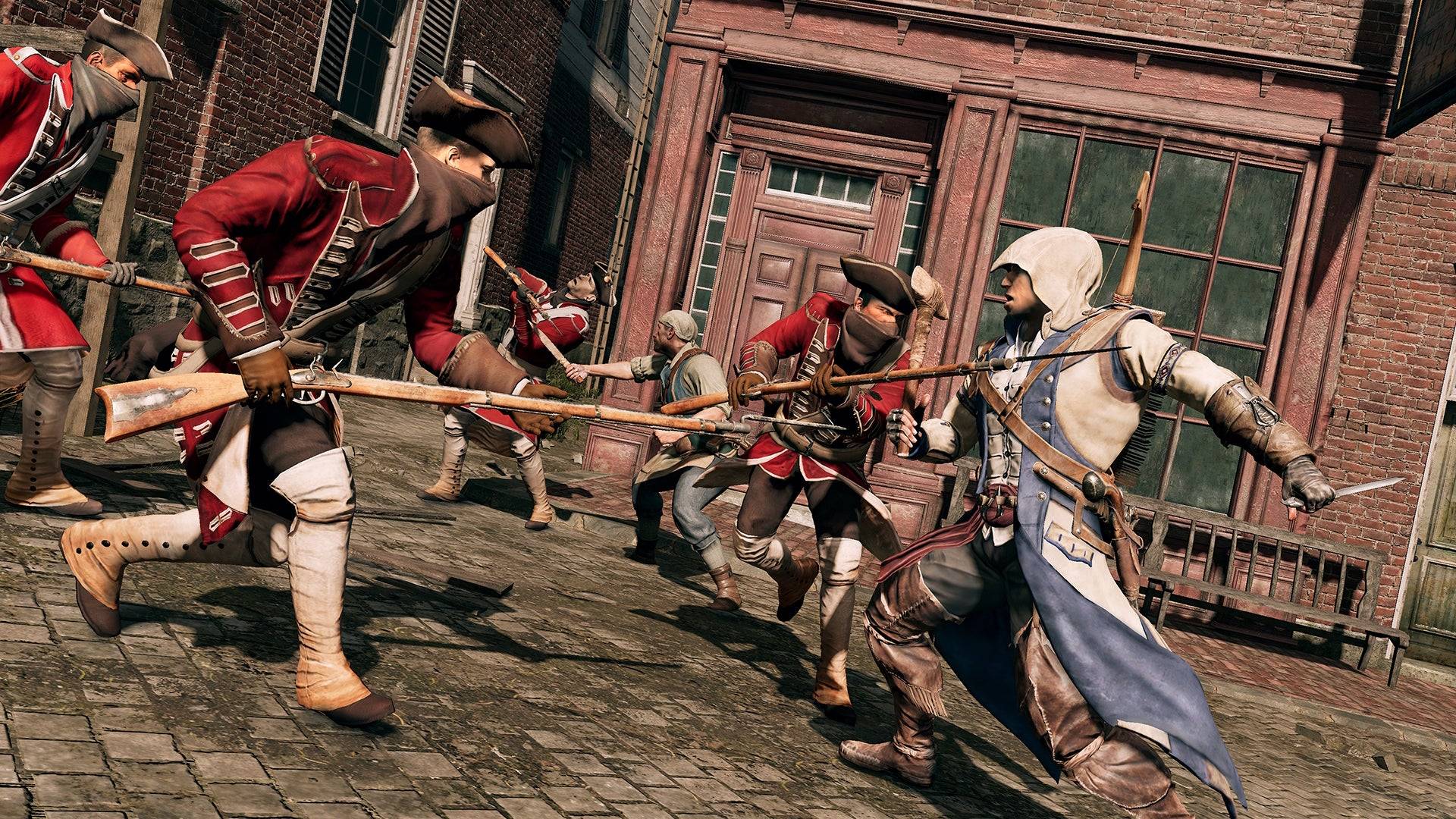
One of the most memorable moments in the entire Assassin’s Creed series unfolds near the start of Assassin’s Creed 3, when Haytham Kenway has finished assembling his band of supposed assassins in the New World. At first glance, Haytham embodies the traits of a classic Assassin—wielding a hidden blade, exuding the charm of Ezio Auditore, and acting the part of a hero by liberating Native Americans from prison and confronting British redcoats. However, the revelation comes when he utters the phrase, “May the Father of Understanding guide us,” signaling that we've been following the Templars, the series' sworn enemies, all along.
This twist not only surprises but also showcases the pinnacle of Assassin’s Creed’s narrative potential. The original game introduced a compelling concept of tracking, understanding, and eliminating targets but struggled with a lackluster story and flat characters. Assassin’s Creed 2 improved upon this with the charismatic Ezio, yet it failed to give depth to his adversaries, like the underdeveloped Cesare Borgia in the spinoff, Assassin’s Creed: Brotherhood. It wasn’t until Assassin’s Creed 3, set during the American Revolution, that Ubisoft truly fleshed out both the hunted and the hunter. This approach resulted in a seamless narrative flow and a harmonious balance of gameplay and story that hasn't been matched since.
While the recent RPG iterations of the series have been well-received, there's a consensus among players and critics that Assassin’s Creed has been on a decline. The reasons for this are debated, from the fantastical elements like battling gods like Anubis and Fenrir, to the introduction of diverse romance options, and the controversial use of real historical figures like the African samurai Yasuke in Assassin’s Creed Shadows. However, I believe the core issue is the shift away from character-driven storytelling, which has become overshadowed by the expansive sandbox worlds.
Over time, Assassin’s Creed has integrated numerous RPG and live service elements, including dialogue trees, XP-based leveling, loot boxes, microtransactions, and gear customization. Yet, as the games have grown larger, they've started to feel more hollow, not just in terms of repetitive side missions but also in their storytelling. For instance, while Assassin’s Creed Odyssey offers more content than Assassin’s Creed 2, much of it feels unpolished and less immersive. The extended scripts necessary to accommodate various player choices can lack the finesse of more focused narratives, resulting in characters that feel less defined and authentic.
This shift contrasts sharply with the Xbox 360/PS3 era of the series, which I believe delivered some of the best writing in gaming. From Ezio’s impassioned declaration after defeating Savonarola, “Do not follow me, or anyone else!” to Haytham's poignant soliloquy upon his death at the hands of his son, Connor:
“Don't think I have any intention of caressing your cheek and saying I was wrong. I will not weep and wonder what might have been. I'm sure you understand. Still, I'm proud of you in a way. You have shown great conviction. Strength. Courage. All noble qualities. I should have killed you long ago.”
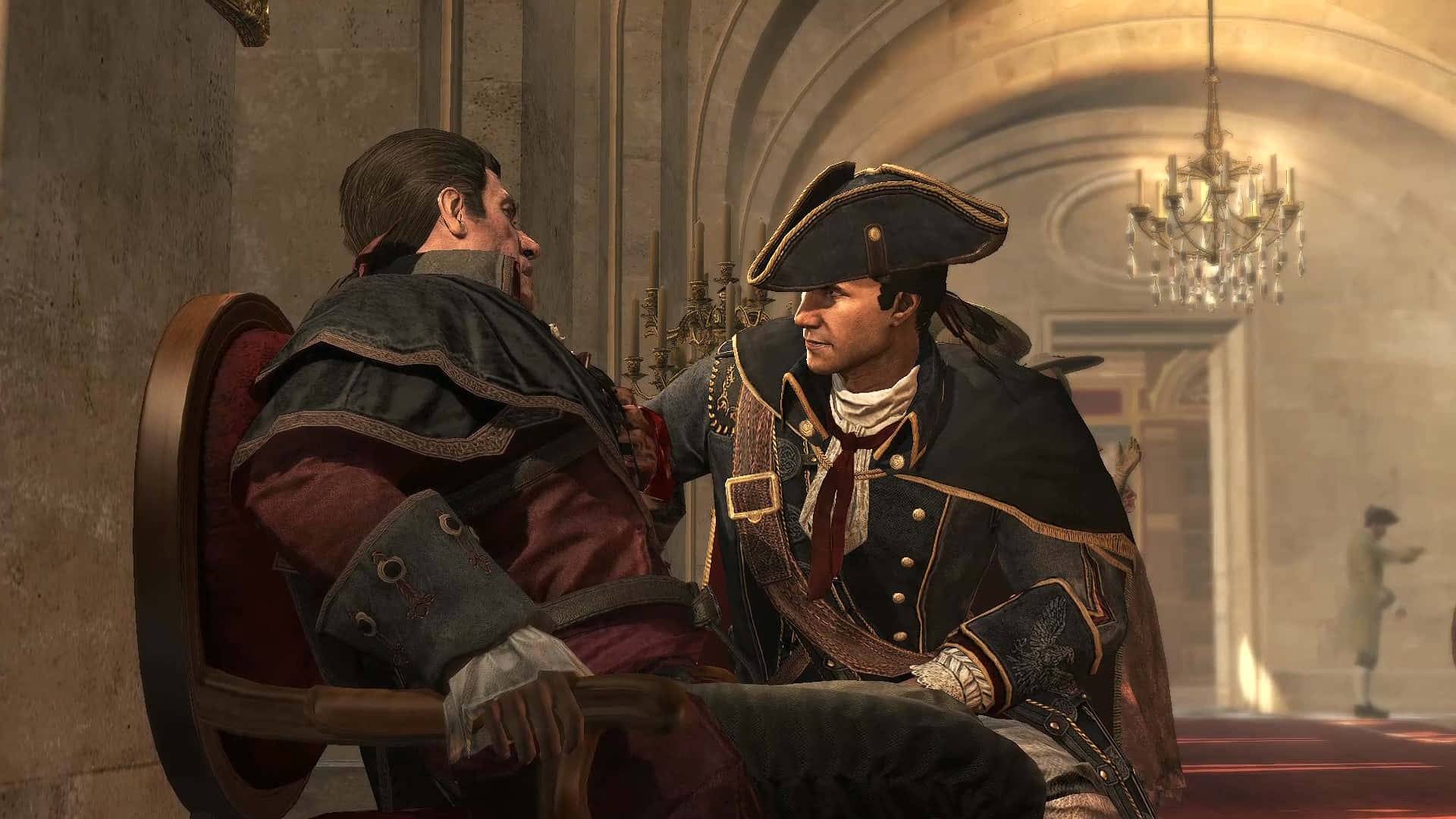
Moreover, the writing in the modern games often reverts to a simplistic moral dichotomy of Assassins as the good guys and Templars as the villains. In contrast, earlier entries, like Assassin’s Creed 3, blurred these lines. Each defeated Templar, such as William Johnson, Thomas Hickey, and Benjamin Church, challenges Connor—and by extension, the player—to question their beliefs. Haytham himself attempts to undermine Connor’s faith in George Washington, suggesting that the new nation would be no less tyrannical than the British monarchy, a claim validated when it's revealed that Washington, not Charles Lee, ordered the burning of Connor’s village. By the game's end, more questions than answers linger, enriching the narrative.
AnswerSee ResultsReflecting on the franchise’s history, it's clear why the track “Ezio’s Family” from the Assassin’s Creed 2 soundtrack became the series' iconic theme. The PS3-era games, particularly Assassin’s Creed 2 and Assassin’s Creed 3, were fundamentally character-driven narratives. The melancholic tones of “Ezio’s Family” captured not just the Renaissance setting but the personal tragedy of Ezio’s loss. While I appreciate the expansive world-building and high graphical fidelity of the current Assassin’s Creed titles, my hope is that the franchise might return to crafting the intimate, focused stories that first captivated me. However, in today's market, dominated by vast open worlds and live service models, such a return seems increasingly unlikely from a business perspective.